
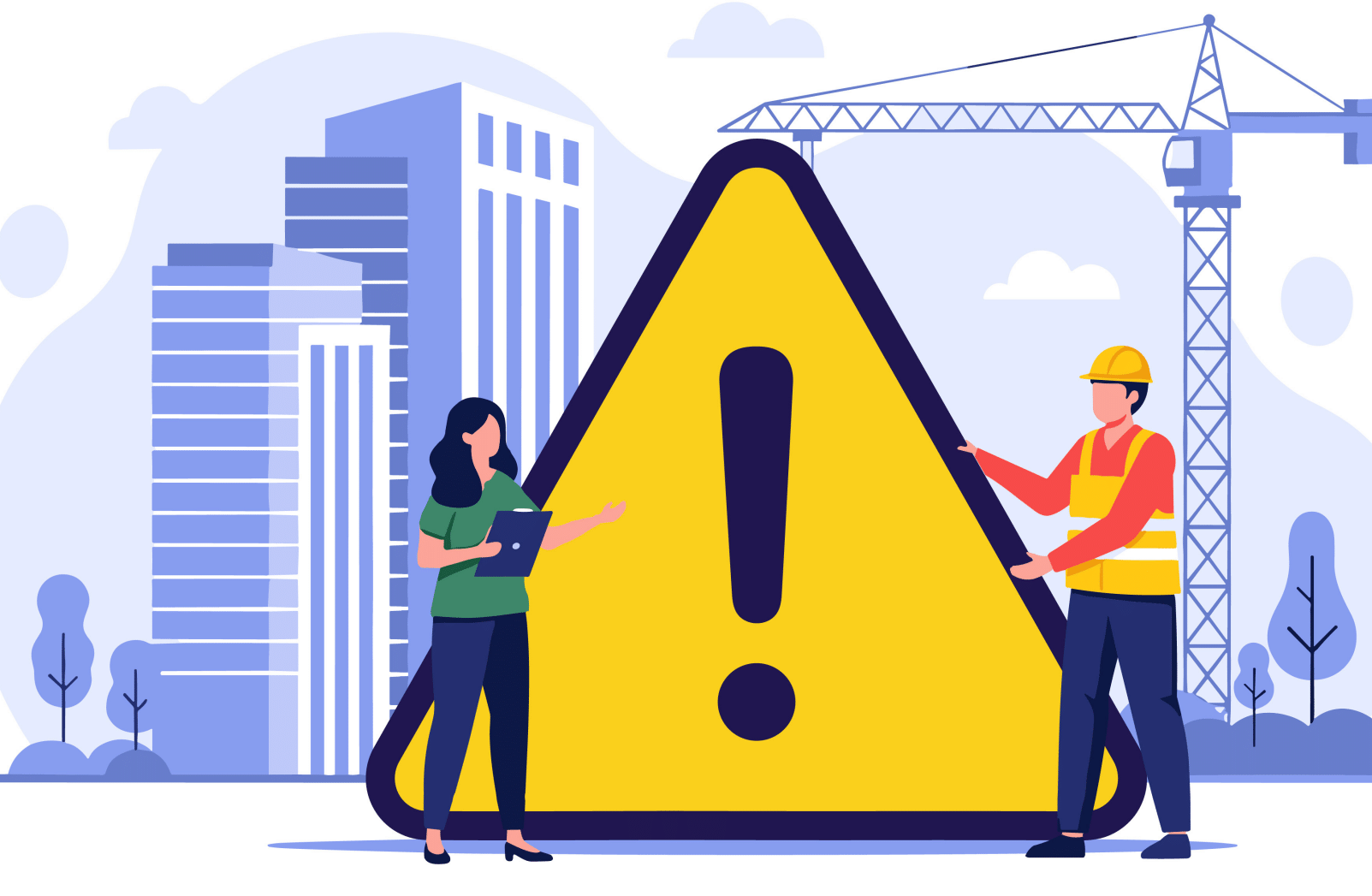
April is National Safe Digging Month, making it the perfect time to remind homeowners, renters, and DIYers across Minnesota that safe digging starts before the shovel ever hits the ground. Whether you’re planting a tree, building a deck, or tackling a larger home improvement project, underground utility lines are often closer to the surface than you think.
8-1-1 is the nationwide “Call Before You Dig” number. In Minnesota, that number connects you to Gopher State One Call (GSOC). A quick call to GSOC or visit to the GSOC website to submit a utility locate request before breaking ground can help prevent injuries, costly repairs, and service disruptions to your community.
Top Five Ways to Dig Safely in Minnesota
1. Always click or call 811 before you dig
Before starting any excavation project—even gardening projects—call 8-1-1 or submit a request online to GSOC. Once you place a request, utility companies are notified and send professional locators to mark the approximate location of underground lines on your property. This service is free to homeowners and other excavators, and helps protect you, your family, and your neighbors from serious harm. Depending on the type of project, prior notification may also be required under Minnesota state law.
2. Provide accurate details and mark your dig area
When submitting your request, be as specific as possible about your project and location. Before locators arrive, mark your planned digging area with white paint or flags or use GSOC’s new electronic white lining feature to mark it virtually. This helps utility locators clearly understand where you intend to dig, reduces unnecessary markings, and improves overall accuracy.
3. Respect and understand utility markings
Once utilities are marked, you’ll see colored paint or flags, each representing a different type of utility (gas, electric, water, communications, and more). After markings are placed—respect the markings—do not remove or ignore them. Hand dig carefully near marked lines and never assume the depth or exact location of a utility.
4. Wait the required time before digging
Minnesota law requires that you notify GSOC at least 48 hours before digging (excluding the day of submission, weekends, and holidays). Do not begin work until all utilities have responded and markings are complete, as starting too early puts you at risk for accidents, damage, and legal consequences. Checking GSOC’s positive response system can help determine if each facility operator has visited your dig site or responded to your locate request. You can do this by going to gopherstateonecall.org and clicking “Find a Ticket.”
5. Be aware of private lines and additional hazards
Not all underground lines are marked through 811. Private utilities such as electric or gas lines to sheds, garages, gas grills, sprinkler systems, or invisible fences may not be included. Homeowners are responsible for locating private lines, either on their own or by hiring a private utility locator. Also be mindful of septic systems and irrigation lines, which may not be marked.
How to Submit a Ticket
There are two simple ways to submit tickets to GSOC: online at gopherstateonecall.org or over the phone by calling 811. Whichever method you choose, you’ll follow these simple steps:
Plan
Identify where you plan to dig and consider both your project and timeline. When you contact GSOC, you’ll be asked a series of questions about it, including what the project is, where the dig site is located, and when you’ll be digging. MN law requires that you notify GSOC at least48 hours before digging (excluding the day of the call, weekends, and holidays).
Contact Online
You can submit a ticket online through our “ITIC” system by going to GSOC’s ITIC Resources page at gopherstateonecall.org. There, you’ll see helpful ITIC resources and buttons that will take you to either ITIC (contractors and professionals) or ITIC Lite (homeowners and other non-professionals). Click the button that is most accurate for you and then register for a free ITIC account. You’ll be guided through the submission process with easy-to-follow prompts and an interactive map to identify your proposed dig site. Tickets can be submitted online 24/7.
Contact via Phone
To submit a ticket over the phone, you can dial 8-1-1. Alternatively, you can call 651-454-0002 for the Twin Cities Metro area or 800-252-1166 for a toll-free option. You’ll be asked questions by a customer service representative to gather details about your project.
What Happens When a Utility Line is Struck?
Utility strikes are more common and more serious than many people realize. Real‑world consequences include:
Safety & Health Risks
- Serious injury or death from gas explosions or electrical shock
- Fires or explosions caused by damaged gas lines
- Carbon monoxide exposure
Service Disruptions
- Power outages impacting homes, schools, hospitals, and businesses
- Gas, electric, or water service interruptions lasting hours or days
- Internet and phone outages that disrupt work and emergency calls
Financial Impacts
- Expensive repair costs—homeowners or contractors may be held responsible
- Project delays that increase labor and material costs
- Fines and penalties for violating state law
- Increased insurance premiums or denied claims
Community & Environmental Impacts
- Emergency response from fire, police, and utility crews
- Road closures or evacuations
- Disruption to critical public services like 911
- Environmental damage from gas leaks or water loss
Frequently Asked Questions About Safe Digging
How early do I need to contact GSOC before digging?
Minnesota law requires that you notify GSOC at least 48 hours before digging (excluding the day of the call, weekends, and holidays). Do not begin work until all utilities have responded and markings are complete.
How can I learn more about submitting tickets online?
Webinar Wednesdays are a great way to learn about submitting tickets online through ITIC. Click here to learn more. You can also visit our Ticketing and ITIC Resources pages for more information.
Can I use electronic white lining instead of physical white lining?
Yes. As of January 1, 2026, excavators now have the option to provide electronic white markings if they offer at least the same amount of information on the proposed excavation as physical marks. Click here to read suggested practices for electronic marking from MNCGA.
How can I look up the status of a ticket after submitting it to GSOC?
You can look up any locate request submitted in MN by using our Search & Status tool. This database allows users to search by ticket number, selecting an area on a map, or by matching information entered in any of the ticket’s data entry fields—no login required! Interested to learn more about the ticket responses you’ll see there? Visit our Positive Response page.
Does contacting GSOC mean ALL of the utilities in my yard will be marked?
Not necessarily. Unless the private facility owner participates in Gopher State One Call (GSOC), private or customer-owned facilities will not be notified and may not be marked. Because of this, special precautions must be taken by excavators as part of every excavation project. Click here to learn more about private facilities.
Common Misconceptions About 811
“I don’t need to call 811 for small projects.”
Even small jobs like planting trees or installing mailboxes require a call. Utilities can be buried just inches below the surface.
“Calling 811 costs money or takes too long.”
The service is free, and markings are typically completed within 48 hours.
“I already know where the utilities are.”
Utility lines can shift, change, or be deeper or shallower than expected. Guessing is never safe.
“If I don’t hit anything, it’s fine.”
Even minor damage can cause future leaks, outages, or safety hazards.
“Hand‑digging is always safe.”
Hand tools can still damage shallow utility lines.
“There’s no penalty for skipping 811.”
Failing to call can result in fines, liability, and legal consequences.
NEW! National Safe Digging Month Toolkit
For National Safe Digging Month, GSOC has prepared a toolkit with NSDM materials that can be easily customized with your logo. The toolkit includes sample press release content, social media graphics and captions, sample email/newsletter content, a poster, and informational PDFs that can be shared with your network or followers.
This April, help celebrate National Safe Digging Month by making 811 part of every digging project—big or small. A simple online notification or call to GSOC protects your home, your community, and the essential services we all rely on.